Culture
The Tradition, Art and Craft Behind the Iconic Kente Cloth
Explore the rich history of Kente in Ghana, from its royal heritage and traditional weaving techniques to its cultural significance and influence on modern fashion. Discover the craftsmanship behind one of Africa's most recognisable textiles and its enduring place in Ghanaian culture.
ELIZABETH TETTEH•September 29, 2026•6 min read
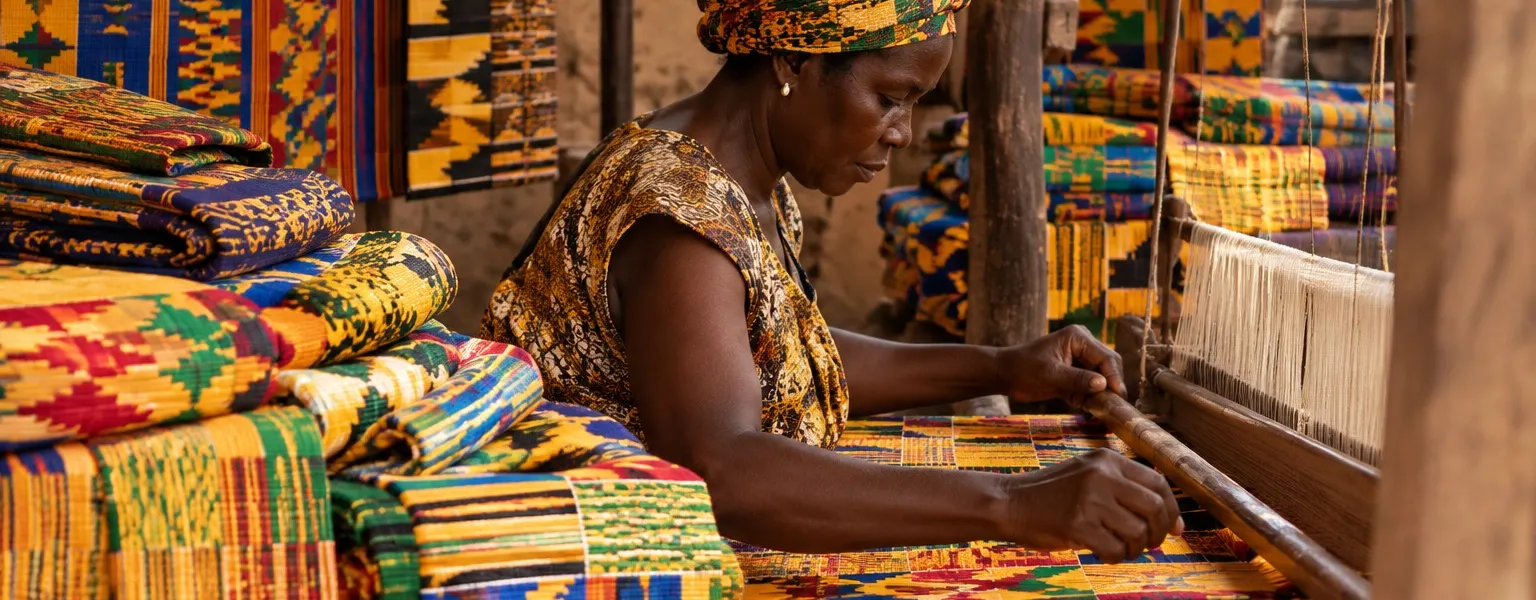
From royal courts to contemporary fashion, Ghana's Kente has evolved into a powerful expression of cultural identity, craftsmanship and heritage. Its intricate patterns tell stories that have endured for generations.
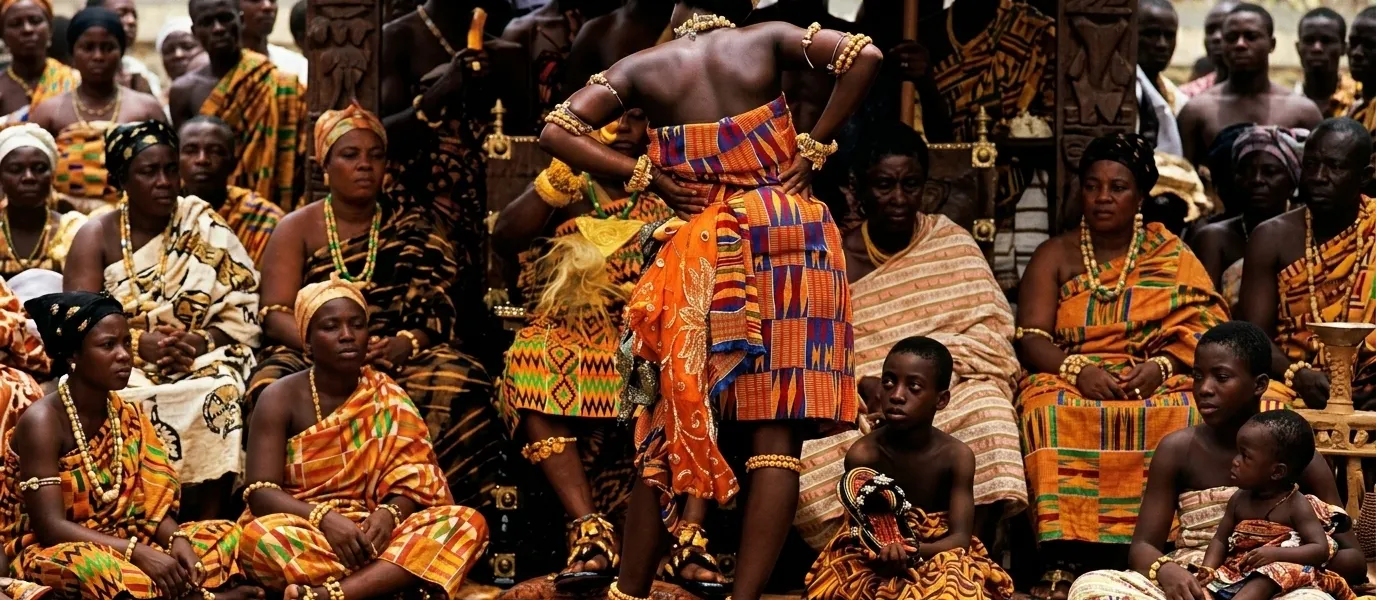
Kente is more than a traditional Ghanaian fabric. It is a product of centuries of weaving knowledge, artistic innovation and cultural expression. Recognised for its vibrant colours and intricate geometric patterns, the cloth has become one of Ghana's most distinctive cultural symbols.
Its history is closely associated with the Asante and Ewe people, whose weaving traditions have developed distinct styles and techniques. Today, Kente continues to evolve, finding its place in contemporary fashion and international markets while retaining its cultural significance.
“"Kente is more than a fabric; it is a visual expression of Ghanaian history, identity and creativity, woven into every pattern."”
The Origins of Kente in Ghana
The history of Kente is deeply rooted in Ghana's traditional weaving culture. Although its precise origins remain a subject of historical discussion, oral traditions and historical accounts connect its development to the Asante and Ewe communities.
One of the most widely known stories comes from Bonwire in the Ashanti Region. According to Asante oral tradition, two men observed a spider weaving an intricate web and were inspired to reproduce its patterns using threads. This story is closely associated with the origins of Asante Kente and remains an important part of the community's heritage.
Over time, weaving developed into a highly skilled craft, with Kente becoming closely associated with the Asante royal court and important traditional occasions.
From Royal Heritage to a National Symbol
Historically, Kente held a prominent place in Asante royal life, where certain cloths were associated with authority, prestige and ceremonial occasions. Its intricate designs and elaborate production made it a highly valued textile.
However, Kente's cultural significance extends beyond the Asante Kingdom. The Ewe people of Ghana have their own distinctive Kente weaving traditions, characterised by different motifs, patterns and approaches to design.
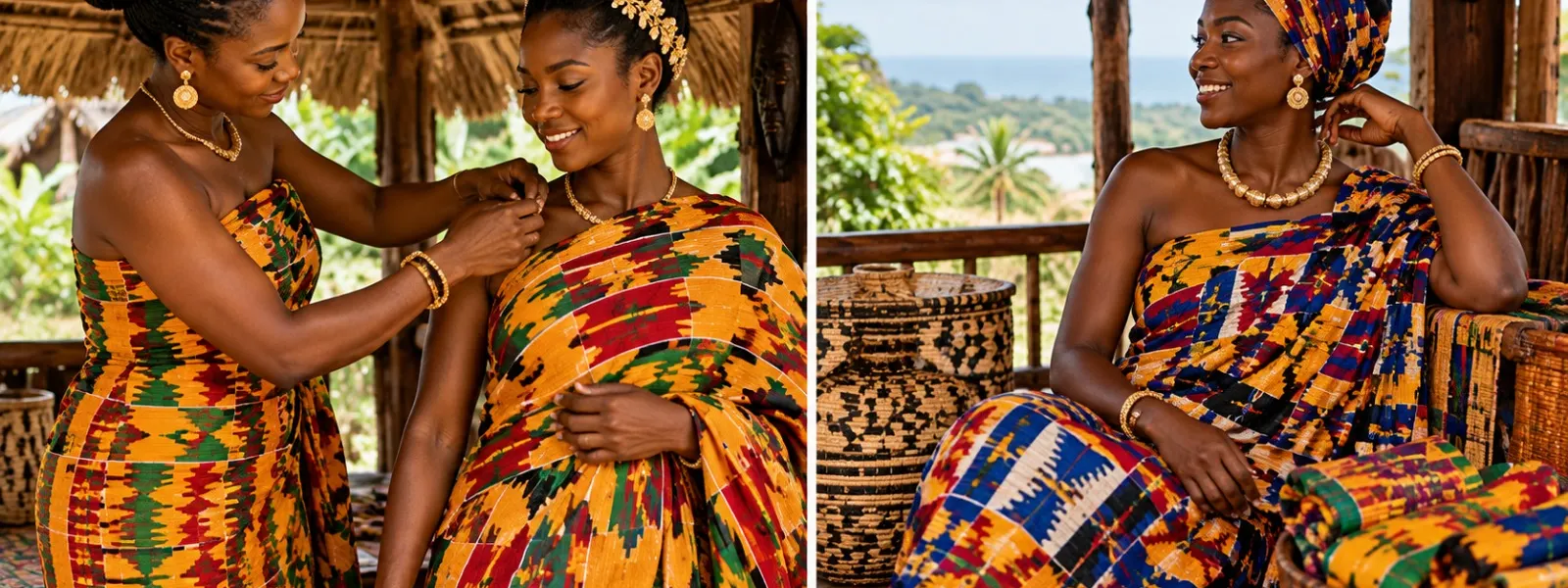
As its popularity grew, Kente gradually moved beyond royal settings. It became increasingly visible at weddings, festivals, graduations and other important occasions, eventually gaining recognition as a symbol of Ghanaian cultural identity.
The Art and Process of Making Kente
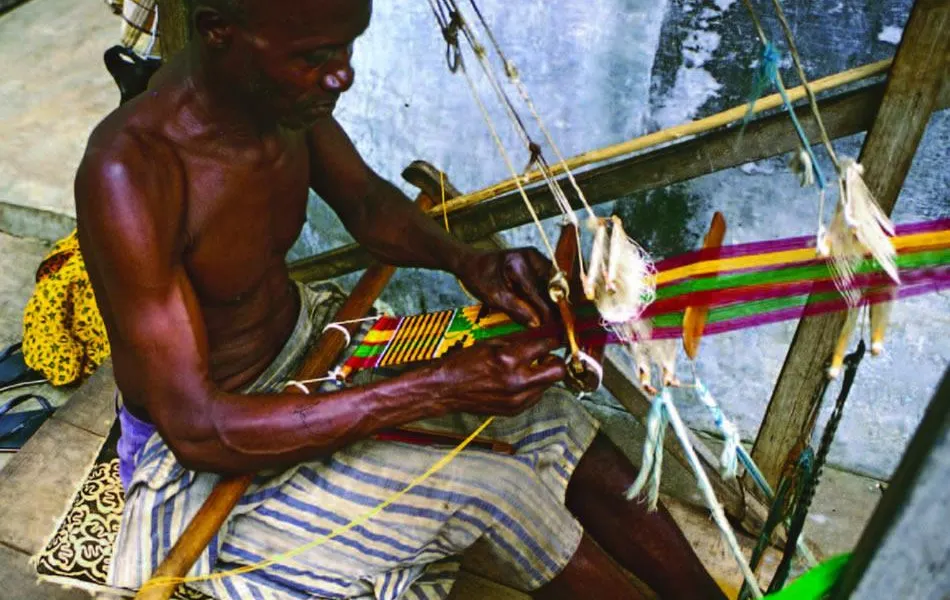
Behind every Kente cloth is a detailed production process that requires patience, precision and years of experience. Traditional Kente is woven on narrow strips, which are subsequently joined together to create larger pieces of fabric.
The process begins with selecting and preparing the yarn. Depending on the design and intended use, weavers work with different colours and materials, including cotton and silk.
Using traditional horizontal looms, artisans carefully interlace the threads to create intricate patterns. The individual strips are then assembled, with attention given to the alignment and consistency of the design.
“"Every Kente cloth begins with individual threads, but it is the skill of the weaver that transforms them into a work of art."”
The process is particularly demanding because many patterns require careful coordination of colours, threads and weaving techniques. The finished cloth reflects not only the materials used but also the knowledge and creativity of the artisan.
**The Meaning Behind Kente's Colours and Patterns**
One of the most distinctive features of Kente is its visual language. Its colours and patterns can carry cultural meanings, communicate values and reference historical events or traditional proverbs.
Gold is commonly associated with wealth and prestige, while green is often linked to growth and renewal. Blue can represent harmony and peace, and red may signify sacrifice or strong emotions. These interpretations can vary according to the design and cultural context.
Kente patterns also have names, some of which are associated with proverbs, historical figures and significant events. The designs can therefore serve as more than decoration, preserving ideas and stories through textile art.
How Kente Has Evolved Over the Years
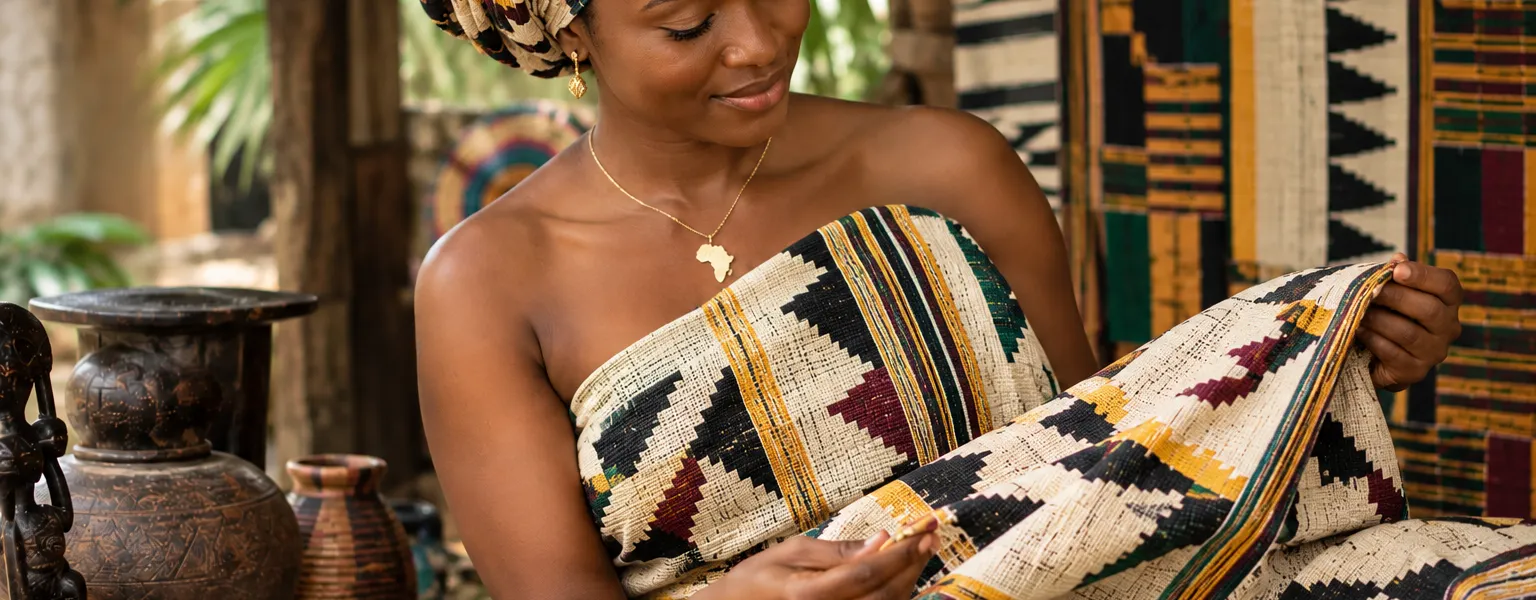
Kente has undergone significant changes as Ghanaian society, fashion and consumer preferences have evolved. Once strongly associated with traditional and royal occasions, it is now worn in a wide range of settings.
Contemporary designers have incorporated Kente into dresses, shirts, jackets, accessories and other fashion products. The cloth has also gained international visibility through the African diaspora, cultural celebrations and global fashion.
Despite these developments, traditional weaving remains an important part of its identity. The continued practice of weaving helps preserve the techniques and knowledge that have shaped Kente for generations.
Kente Production and the Future of Ghanaian Craftsmanship
Kente production continues to provide opportunities for artisans, weavers and businesses involved in Ghana's textile industry. Communities such as Bonwire remain closely associated with traditional weaving, while other producers continue to develop new designs and products.
In 2024, UNESCO recognised the craftsmanship of traditional woven Kente by inscribing it on its Representative List of the Intangible Cultural Heritage of Humanity. The recognition highlights the cultural knowledge and skills involved in making the cloth.
As demand for African fashion and handmade products expands, Kente offers opportunities for artisans to connect traditional craftsmanship with contemporary markets. However, preserving the skills, cultural meanings and authenticity of the cloth remains an important consideration.
“"The future of Kente depends not only on preserving its traditional weaving techniques but also on creating opportunities for the next generation of Ghanaian artisans."”
Bringing Ghanaian Kente to the Digital Marketplace
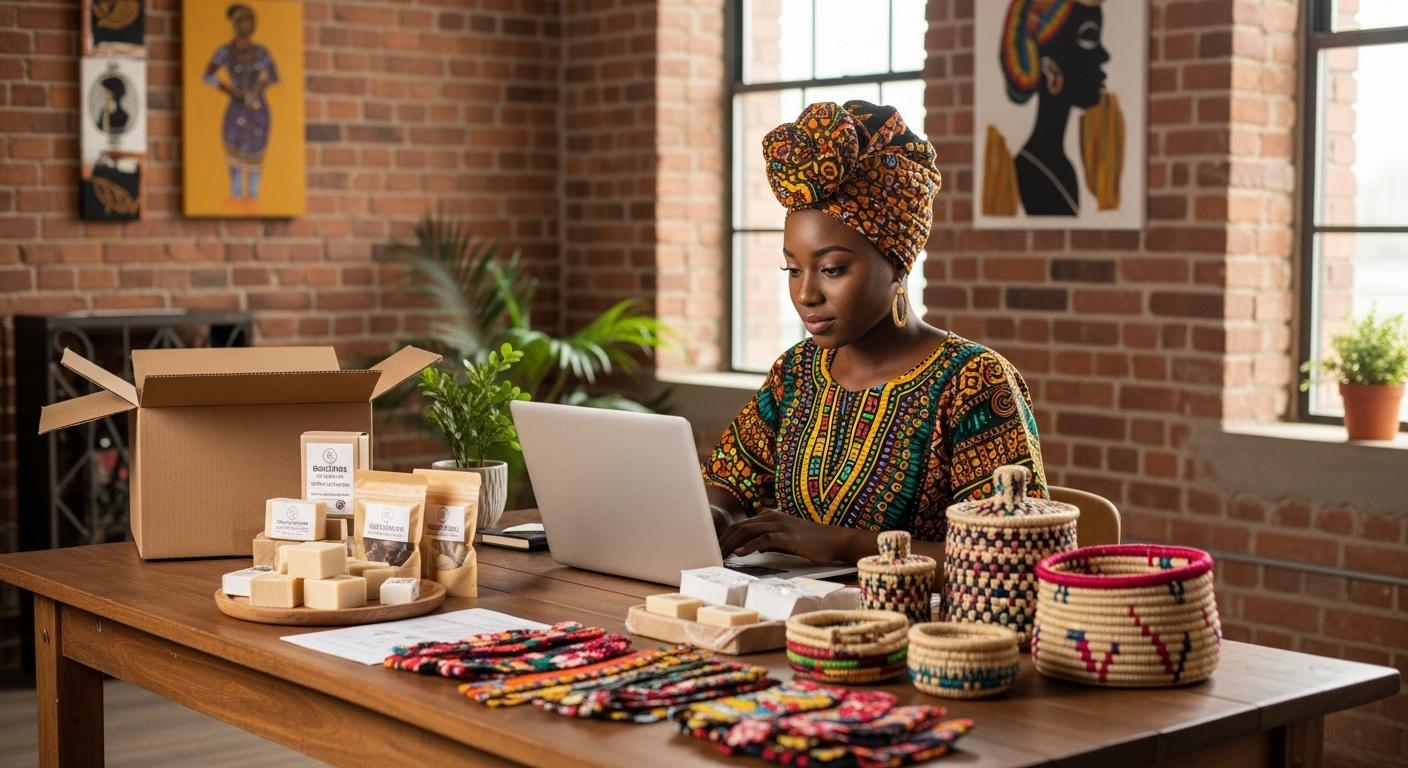
The growth of e-commerce is creating new ways for African artisans and businesses to introduce traditional products to wider audiences. Online marketplaces can help connect locally produced goods with customers who might otherwise have limited access to them.
For Ghanaian craftsmanship, this presents an opportunity to bring traditional textiles and Kente-inspired products into the digital marketplace.
WeShopAfrica (opens in a new tab) provides an online platform where customers can discover African products and businesses. By showcasing African-made goods, the platform offers an additional channel through which Ghanaian craftsmanship can reach a wider audience.
As digital commerce continues to develop, platforms such as WeShopAfrica can help connect traditional creativity with modern shopping experiences.
The Legacy of Kente Continues
Kente's history is a story of cultural continuity and creative evolution. From the weaving traditions of the Asante and Ewe communities to its presence in contemporary fashion, the cloth has retained its place in Ghanaian cultural life.
Its significance lies not only in its colours and patterns but also in the knowledge, craftsmanship and history woven into every piece.
Today, Kente remains a recognisable expression of Ghanaian heritage, with opportunities for its artisans and designers to introduce their work to new generations and markets.
Discover African craftsmanship on WeShopAfrica.com, where tradition, creativity and modern commerce come together.
#e-commerce#kente#seo#tradition#weshopafrica.com
ET
Editorial
ELIZABETH TETTEH
September 29, 2026
Related Articles
View All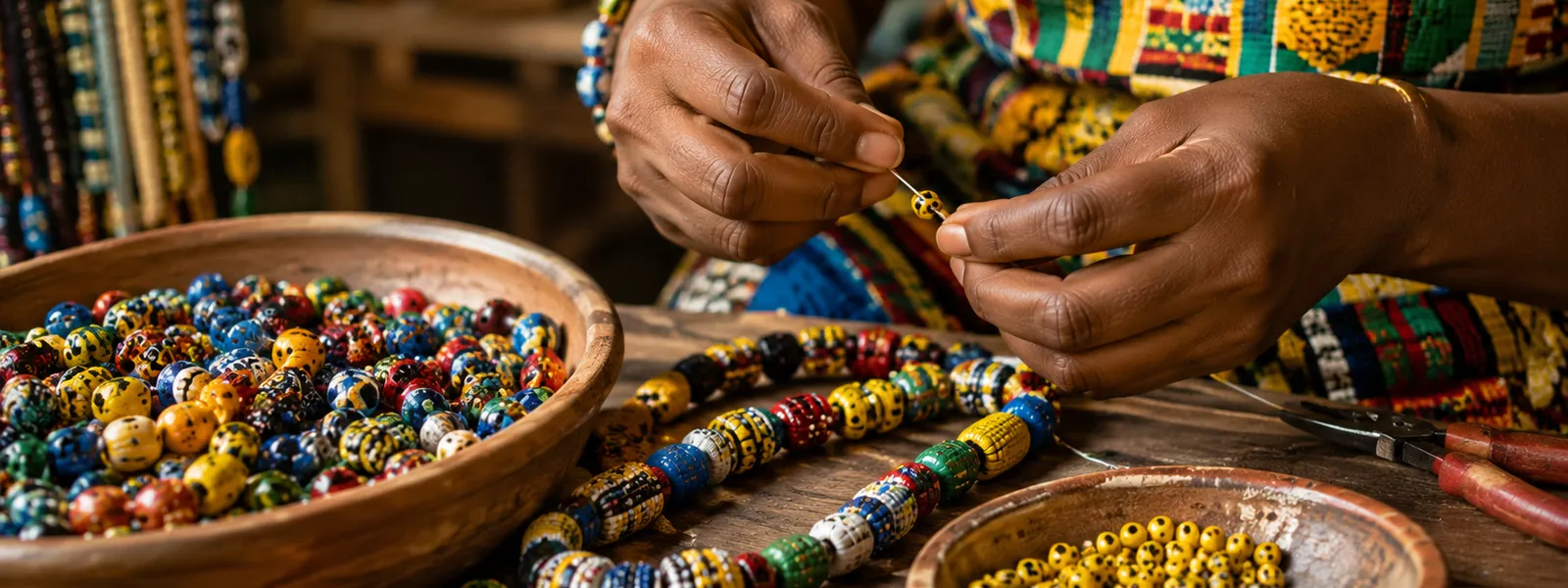
Culture
Ghana’s Beadmaking Tradition: The Craft, Culture and Stories Behind Every Bead
Explore the fascinating history of beadmaking in Ghana and discover how Krobo artisans transformed glass, fire and traditional craftsmanship into a cultural legacy known around the world
Announcements
E-Commerce in Africa: The Digital Revolution Changing How We Shop
The future of commerce in Africa is increasingly digital